How to Bid for a Government X-Ray Tender in India
How to Bid for a Government X-Ray Tender in India
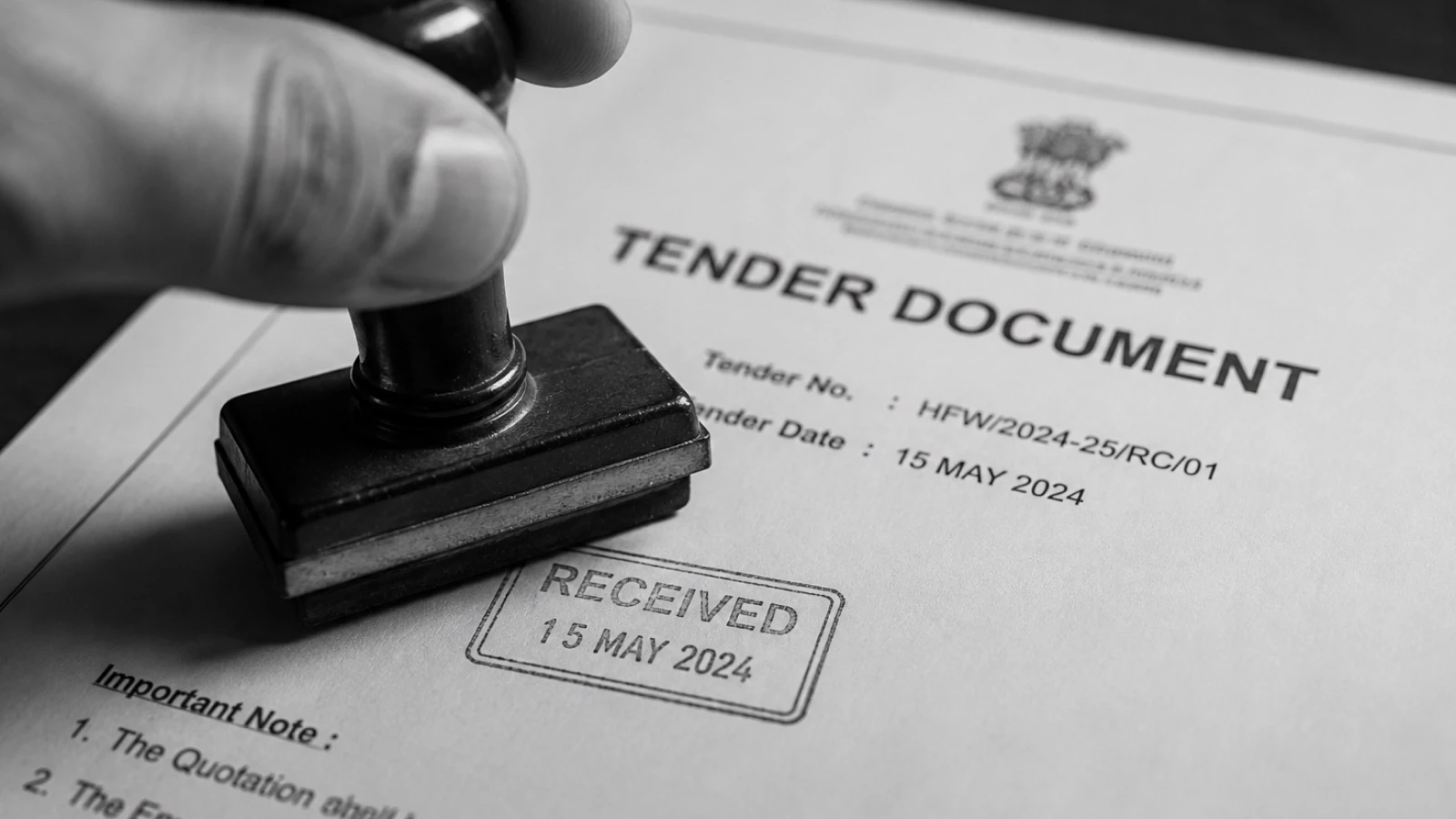
Government X-ray equipment tenders in India, whether issued through the GeM portal, a state health department, or a National Health Mission programme, are evaluated on a different set of criteria than a private hospital purchase. Compliance documentation, Make-in-India status, and after-sales service commitments typically carry as much weight as the equipment specification itself.
Note before relying on this guide: government procurement processes and portal requirements are updated periodically. Confirm current tender-specific requirements against the official tender document and current GeM portal guidance before submitting a bid. This article covers the general shape of what's evaluated, not a substitute for the specific tender's terms.
What government tenders typically evaluate
AERB type approval, verified and current. This is usually a baseline eligibility requirement, not a scoring criterion a bid without valid, verifiable AERB documentation for the exact model offered is typically disqualified before technical evaluation even begins.
Make-in-India status. Government procurement in India generally applies domestic manufacturing preference under prevailing public procurement policy. Confirm exactly how this applies to the specific tender, since the preference mechanism and thresholds can vary by category and by the issuing body.
Technical specification compliance. The tender document will specify required kVp range, portability/weight requirements, battery performance, and detector specifications. Bids need to match these precisely both under-spec and unnecessarily over-spec equipment can weaken a bid's technical scoring.
Compliance documentation package. This typically includes AERB certification, quality test reports, NABL-accredited testing documentation where required, and manufacturer declarations. Missing or incomplete documentation is one of the most common reasons technically qualified bids get rejected on technical grounds alone.
Service and AMC commitments. Government programmes, particularly those deploying equipment across multiple districts or facilities, weight after-sales service network coverage heavily a national or multi-state service footprint is often a specific evaluation criterion, not just a nice-to-have.
Delivery timeline. Bulk government orders, especially under time-bound programmes like NHM initiatives, often specify delivery timelines as part of technical evaluation. Confirm your supplier can commit to and meet the stated timeline before bidding.
A general preparation checklist
Confirm AERB type approval documentation is current and matches the exact model being bid
Verify Make-in-India status documentation against the specific tender's requirements
Cross-check the offered specification against every technical requirement in the tender document line by line
Assemble the full compliance documentation package before the submission deadline, not during it
Confirm service network coverage matches the geographic scope of the deployment
Verify delivery timeline commitments are realistic and documented
Why documentation gaps are the most common failure point
Technically strong, competitively priced equipment still loses tenders regularly most often because of an incomplete or improperly formatted documentation package, not because a competitor had better equipment. Building the compliance package early, and confirming its format against the specific tender's requirements, is frequently the difference between a winning and losing bid.
Frequently Asked Questions
Is AERB approval mandatory for government tender eligibility?
Yes, typically as a baseline eligibility requirement confirm the exact documentation format required by checking the specific tender document, since requirements can vary.
How does Make-in-India preference affect government X-ray procurement?
Domestic manufacturing preference generally applies under prevailing public procurement policy, though the specific mechanism and threshold should be confirmed against the individual tender, since these details can vary by category and issuing body.
What's the most common reason technically qualified bids get rejected?
Incomplete or improperly formatted compliance documentation is a frequent cause confirm your documentation package matches the tender's specific format requirements well before the submission deadline.
Do government tenders require a specific service/AMC commitment?
Often yes, particularly for multi-facility or multi-district deployments check whether the specific tender specifies minimum service network coverage or response-time requirements.
Government X-ray equipment tenders in India, whether issued through the GeM portal, a state health department, or a National Health Mission programme, are evaluated on a different set of criteria than a private hospital purchase. Compliance documentation, Make-in-India status, and after-sales service commitments typically carry as much weight as the equipment specification itself.
Note before relying on this guide: government procurement processes and portal requirements are updated periodically. Confirm current tender-specific requirements against the official tender document and current GeM portal guidance before submitting a bid. This article covers the general shape of what's evaluated, not a substitute for the specific tender's terms.
What government tenders typically evaluate
AERB type approval, verified and current. This is usually a baseline eligibility requirement, not a scoring criterion a bid without valid, verifiable AERB documentation for the exact model offered is typically disqualified before technical evaluation even begins.
Make-in-India status. Government procurement in India generally applies domestic manufacturing preference under prevailing public procurement policy. Confirm exactly how this applies to the specific tender, since the preference mechanism and thresholds can vary by category and by the issuing body.
Technical specification compliance. The tender document will specify required kVp range, portability/weight requirements, battery performance, and detector specifications. Bids need to match these precisely both under-spec and unnecessarily over-spec equipment can weaken a bid's technical scoring.
Compliance documentation package. This typically includes AERB certification, quality test reports, NABL-accredited testing documentation where required, and manufacturer declarations. Missing or incomplete documentation is one of the most common reasons technically qualified bids get rejected on technical grounds alone.
Service and AMC commitments. Government programmes, particularly those deploying equipment across multiple districts or facilities, weight after-sales service network coverage heavily a national or multi-state service footprint is often a specific evaluation criterion, not just a nice-to-have.
Delivery timeline. Bulk government orders, especially under time-bound programmes like NHM initiatives, often specify delivery timelines as part of technical evaluation. Confirm your supplier can commit to and meet the stated timeline before bidding.
A general preparation checklist
Confirm AERB type approval documentation is current and matches the exact model being bid
Verify Make-in-India status documentation against the specific tender's requirements
Cross-check the offered specification against every technical requirement in the tender document line by line
Assemble the full compliance documentation package before the submission deadline, not during it
Confirm service network coverage matches the geographic scope of the deployment
Verify delivery timeline commitments are realistic and documented
Why documentation gaps are the most common failure point
Technically strong, competitively priced equipment still loses tenders regularly most often because of an incomplete or improperly formatted documentation package, not because a competitor had better equipment. Building the compliance package early, and confirming its format against the specific tender's requirements, is frequently the difference between a winning and losing bid.
Frequently Asked Questions
Is AERB approval mandatory for government tender eligibility?
Yes, typically as a baseline eligibility requirement confirm the exact documentation format required by checking the specific tender document, since requirements can vary.
How does Make-in-India preference affect government X-ray procurement?
Domestic manufacturing preference generally applies under prevailing public procurement policy, though the specific mechanism and threshold should be confirmed against the individual tender, since these details can vary by category and issuing body.
What's the most common reason technically qualified bids get rejected?
Incomplete or improperly formatted compliance documentation is a frequent cause confirm your documentation package matches the tender's specific format requirements well before the submission deadline.
Do government tenders require a specific service/AMC commitment?
Often yes, particularly for multi-facility or multi-district deployments check whether the specific tender specifies minimum service network coverage or response-time requirements.
Get in touch for detailed information about our product and services
Get in touch for detailed information about our product and services


Address:
E-21, Ground Floor, B-1 Ext., Mohan Cooperative Industrial Estate, Mathura Road, Badarpur,
New Delhi - 110044, India
Phone
(WhatsApp):
+91-9990455744
Email:
Address:
E-21, Ground Floor, B-1 Ext.,
Mohan Cooperative Industrial Estate, Mathura Road, Badarpur,
New Delhi - 110044, India
Phone
(WhatsApp):
+91-9990455744
Email:
Address:
E-21, Ground Floor, B-1 Ext., Mohan Cooperative
Industrial Estate,
Mathura Road, Badarpur,
New Delhi - 110044, India
Phone
(WhatsApp):
+91-9990455744
Email: