What to Actually Check Before Buying a Portable X-Ray Machine in India
What to Actually Check Before Buying a Portable X-Ray Machine in India

There's a version of this purchase that goes wrong quietly. The equipment arrives, looks the part, gets installed, and then six months later during an AERB audit or a NABH accreditation review, someone asks for the type approval certificate. It's either missing, expired, or covers a different model from the same supplier's range.
By that point, the machine is in regular clinical use. Undoing it is expensive and disruptive.
This guide is for anyone responsible for procuring portable X-ray equipment in India. Hospital procurement teams, biomedical engineers, government health officers, or NGO programme managers. It covers seven things worth checking properly before you sign anything.
1. AERB type approval and which model it actually covers
This is non-negotiable. Every X-ray machine used in India requires type approval from the Atomic Energy Regulatory Board. That includes portable and handheld units. There are no exemptions for lower-power devices.
The part people skip: verifying that the certificate covers the exact model being quoted. A manufacturer may legitimately hold AERB approval for one unit in their product range while quoting a newer or different variant that hasn't completed the process yet. Ask for the certificate number and check it directly on aerb.gov.in. The lookup takes about ten minutes and it's the only way to be certain.
2. kVp range and its effect on what you can actually image
A portable X-ray machine's kVp (kilovoltage peak) range determines what body parts it can image reliably. This matters more than most buyers realise at the point of purchase.
A unit that tops out at 70 kVp will handle extremity imaging reasonably well: hands, wrists, feet. For chest X-rays in adults, you typically need 80–100 kVp. For lateral spine and abdominal imaging in larger patients, 100 kVp and above is necessary.
If the system will be used primarily in an orthopaedic setting for limb imaging, a lower kVp range may be sufficient. If it's going into a general ward or a mobile health unit that sees a range of patients and conditions, you need the higher end of the range. Check the spec sheet against your intended use cases before comparing prices.
3. Battery capacity and what the specification numbers mean in practice
Battery life is where portable X-ray specifications are most frequently misleading, not through dishonesty, but because the numbers quoted under ideal lab conditions don't map directly to field performance.
"150 exposures per charge" assumes a consistent low-mAs setting and a specific ambient temperature. In actual clinical use, with higher mAs settings for chest imaging, repeated charging cycles on an older battery, or operation in hot conditions, real-world yield is lower.
What to ask: what's the rated exposure count at the kVp and mAs settings you'll actually use most? Does the battery support hot-swapping, so clinical work doesn't stop while the battery charges? What's the replacement cost and availability for the battery pack?
For mobile health deployments and field hospitals where mains power isn't reliable, these aren't minor questions.
4. DR panel compatibility
The X-ray generator and the digital radiography (DR) detector panel are separate components in most portable setups. They don't automatically work together.
Compatibility issues are common and can be expensive. Some generators communicate with specific panels using proprietary protocols. Others support standard interfaces but require configuration that isn't always done correctly at installation. Before purchase, confirm compatibility with the specific DR panel you're using or plan to buy. Ask the supplier to provide a tested combination, not just a theoretical one.
5. IP rating for field and mobile environments
An IP68 rating means the unit is sealed against dust and can withstand water immersion. For a machine that will operate in hospital wards, that level of protection may be more than necessary. For a unit that goes into a mobile health van, a rural health camp, or a disaster response deployment, it matters considerably.
Equipment that isn't rated for dusty or humid environments will have reliability problems in those conditions. This shows up as sensor degradation, electrical faults, and shortened component lifespan. Check the IP rating against the operating environment, not the best-case scenario.
6. After-sales service and spare parts availability
This is the area where imported equipment most frequently underperforms relative to its upfront cost advantage.
A portable X-ray machine is a piece of clinical infrastructure. When it fails, and at some point, all equipment needs servicing, the question is how quickly and how reliably it can be repaired. For a machine from an overseas manufacturer with no Indian service network, the answer is often: slowly, expensively, and sometimes not at all within a timeframe that keeps the equipment useful.
Before purchase, ask: where is the nearest authorised service centre? What's the typical turnaround for a breakdown repair? Are spare parts available in India, or do they need to be imported? What does the warranty actually cover, and does it include on-site support or only return to manufacturer?
7. Documentation for tender submissions and audits
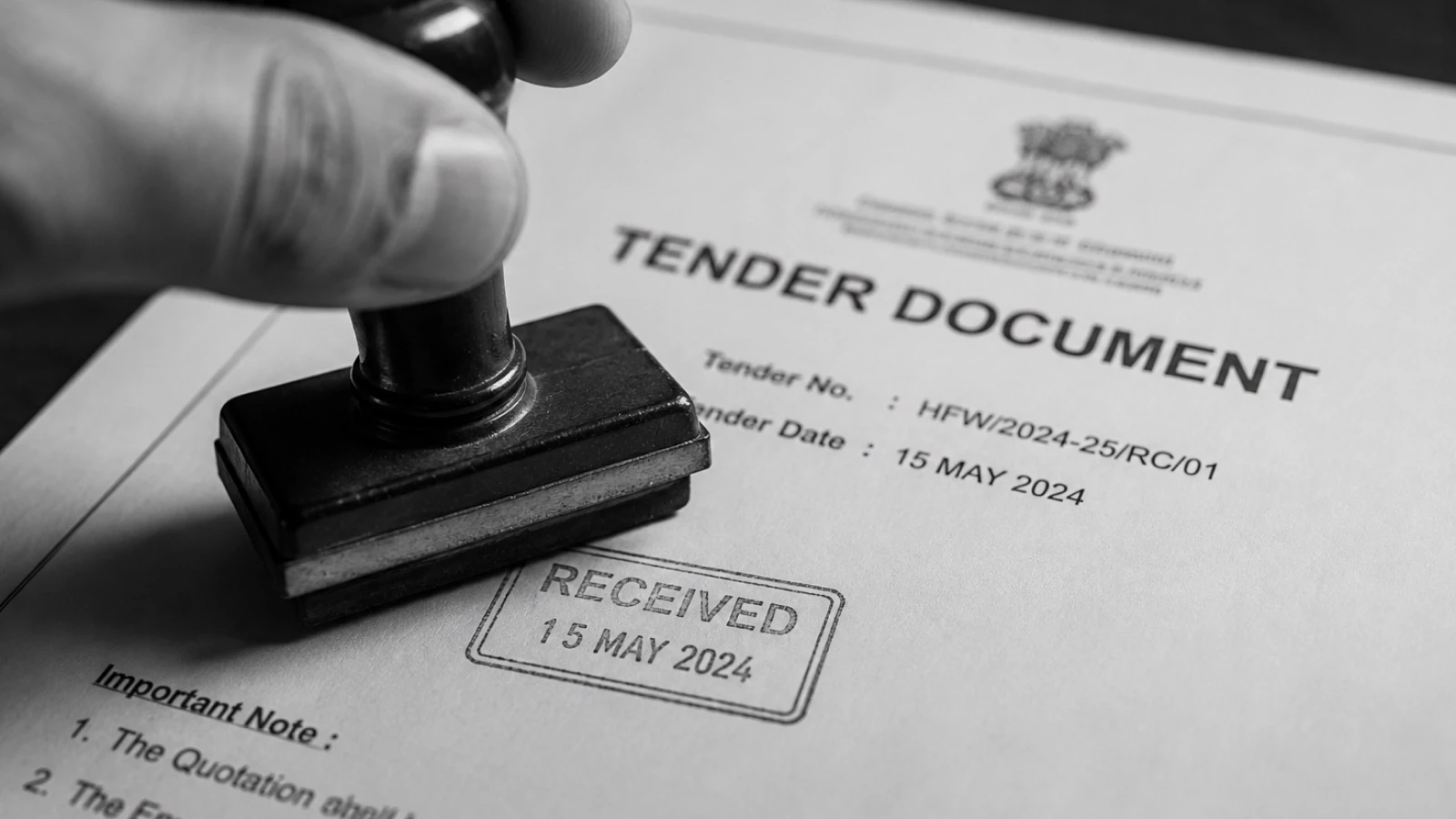
If you're procuring for a government programme, a hospital seeking NABH accreditation, or any institution subject to regulatory audit, the compliance documentation package matters as much as the equipment itself.
At a minimum, you need: the AERB type approval certificate (matching the specific model), the manufacturer's ISO 13485 certificate, the NABL accreditation certificate if applicable, and the device's technical documentation file. For government tenders, you'll often also need these in notarised form.
Ask the supplier whether this documentation is standard with purchase or needs to be requested separately. A supplier that treats compliance paperwork as an afterthought is worth treating as a risk.
A note on comparing Indian-made versus imported equipment
The price difference between imported portable X-ray systems and Indian-manufactured ones can look significant on a line item. It narrows when you factor in AERB compliance delays on imported equipment, import duties and customs timelines, the cost of getting after-sales support from overseas, and the spare parts lead times.
None of this means imported equipment is the wrong choice. It means the total cost comparison needs to include deployment readiness, service costs, and compliance overhead, not just the purchase price.
Frequently Asked Questions
What is a good kVp range for a general-purpose portable X-ray machine?
For general-purpose clinical use including chest, spine, and abdominal imaging, a range of 40–100 kVp covers most adult patients. Systems limited to 70 kVp are better suited to extremity imaging only.
How long does a portable X-ray battery last in clinical use?
This varies by manufacturer and usage pattern. Systems rated for 150 exposures per charge under standard lab conditions typically deliver 100–130 exposures in regular clinical use at moderate mAs settings. Check the manufacturer's rated output at the kVp and mAs settings relevant to your most common imaging tasks.
Do I need AERB approval for a portable X-ray machine used outside a hospital?
Yes. AERB type approval is required for all X-ray equipment used in India regardless of the operating environment. Mobile health vans, field hospitals, NGO clinics, and government health camps are all subject to the same requirement.
Can I use any DR panel with a portable X-ray generator?
Not automatically. Compatibility depends on the communication protocol used by the generator and the panel. Confirm compatibility with your specific DR panel before purchase, and ask the supplier to provide a tested combination.
There's a version of this purchase that goes wrong quietly. The equipment arrives, looks the part, gets installed, and then six months later during an AERB audit or a NABH accreditation review, someone asks for the type approval certificate. It's either missing, expired, or covers a different model from the same supplier's range.
By that point, the machine is in regular clinical use. Undoing it is expensive and disruptive.
This guide is for anyone responsible for procuring portable X-ray equipment in India. Hospital procurement teams, biomedical engineers, government health officers, or NGO programme managers. It covers seven things worth checking properly before you sign anything.
1. AERB type approval and which model it actually covers
This is non-negotiable. Every X-ray machine used in India requires type approval from the Atomic Energy Regulatory Board. That includes portable and handheld units. There are no exemptions for lower-power devices.
The part people skip: verifying that the certificate covers the exact model being quoted. A manufacturer may legitimately hold AERB approval for one unit in their product range while quoting a newer or different variant that hasn't completed the process yet. Ask for the certificate number and check it directly on aerb.gov.in. The lookup takes about ten minutes and it's the only way to be certain.
2. kVp range and its effect on what you can actually image
A portable X-ray machine's kVp (kilovoltage peak) range determines what body parts it can image reliably. This matters more than most buyers realise at the point of purchase.
A unit that tops out at 70 kVp will handle extremity imaging reasonably well: hands, wrists, feet. For chest X-rays in adults, you typically need 80–100 kVp. For lateral spine and abdominal imaging in larger patients, 100 kVp and above is necessary.
If the system will be used primarily in an orthopaedic setting for limb imaging, a lower kVp range may be sufficient. If it's going into a general ward or a mobile health unit that sees a range of patients and conditions, you need the higher end of the range. Check the spec sheet against your intended use cases before comparing prices.
3. Battery capacity and what the specification numbers mean in practice
Battery life is where portable X-ray specifications are most frequently misleading, not through dishonesty, but because the numbers quoted under ideal lab conditions don't map directly to field performance.
"150 exposures per charge" assumes a consistent low-mAs setting and a specific ambient temperature. In actual clinical use, with higher mAs settings for chest imaging, repeated charging cycles on an older battery, or operation in hot conditions, real-world yield is lower.
What to ask: what's the rated exposure count at the kVp and mAs settings you'll actually use most? Does the battery support hot-swapping, so clinical work doesn't stop while the battery charges? What's the replacement cost and availability for the battery pack?
For mobile health deployments and field hospitals where mains power isn't reliable, these aren't minor questions.
4. DR panel compatibility
The X-ray generator and the digital radiography (DR) detector panel are separate components in most portable setups. They don't automatically work together.
Compatibility issues are common and can be expensive. Some generators communicate with specific panels using proprietary protocols. Others support standard interfaces but require configuration that isn't always done correctly at installation. Before purchase, confirm compatibility with the specific DR panel you're using or plan to buy. Ask the supplier to provide a tested combination, not just a theoretical one.
5. IP rating for field and mobile environments
An IP68 rating means the unit is sealed against dust and can withstand water immersion. For a machine that will operate in hospital wards, that level of protection may be more than necessary. For a unit that goes into a mobile health van, a rural health camp, or a disaster response deployment, it matters considerably.
Equipment that isn't rated for dusty or humid environments will have reliability problems in those conditions. This shows up as sensor degradation, electrical faults, and shortened component lifespan. Check the IP rating against the operating environment, not the best-case scenario.
6. After-sales service and spare parts availability
This is the area where imported equipment most frequently underperforms relative to its upfront cost advantage.
A portable X-ray machine is a piece of clinical infrastructure. When it fails, and at some point, all equipment needs servicing, the question is how quickly and how reliably it can be repaired. For a machine from an overseas manufacturer with no Indian service network, the answer is often: slowly, expensively, and sometimes not at all within a timeframe that keeps the equipment useful.
Before purchase, ask: where is the nearest authorised service centre? What's the typical turnaround for a breakdown repair? Are spare parts available in India, or do they need to be imported? What does the warranty actually cover, and does it include on-site support or only return to manufacturer?
7. Documentation for tender submissions and audits
If you're procuring for a government programme, a hospital seeking NABH accreditation, or any institution subject to regulatory audit, the compliance documentation package matters as much as the equipment itself.
At a minimum, you need: the AERB type approval certificate (matching the specific model), the manufacturer's ISO 13485 certificate, the NABL accreditation certificate if applicable, and the device's technical documentation file. For government tenders, you'll often also need these in notarised form.
Ask the supplier whether this documentation is standard with purchase or needs to be requested separately. A supplier that treats compliance paperwork as an afterthought is worth treating as a risk.
A note on comparing Indian-made versus imported equipment
The price difference between imported portable X-ray systems and Indian-manufactured ones can look significant on a line item. It narrows when you factor in AERB compliance delays on imported equipment, import duties and customs timelines, the cost of getting after-sales support from overseas, and the spare parts lead times.
None of this means imported equipment is the wrong choice. It means the total cost comparison needs to include deployment readiness, service costs, and compliance overhead, not just the purchase price.
Frequently Asked Questions
What is a good kVp range for a general-purpose portable X-ray machine?
For general-purpose clinical use including chest, spine, and abdominal imaging, a range of 40–100 kVp covers most adult patients. Systems limited to 70 kVp are better suited to extremity imaging only.
How long does a portable X-ray battery last in clinical use?
This varies by manufacturer and usage pattern. Systems rated for 150 exposures per charge under standard lab conditions typically deliver 100–130 exposures in regular clinical use at moderate mAs settings. Check the manufacturer's rated output at the kVp and mAs settings relevant to your most common imaging tasks.
Do I need AERB approval for a portable X-ray machine used outside a hospital?
Yes. AERB type approval is required for all X-ray equipment used in India regardless of the operating environment. Mobile health vans, field hospitals, NGO clinics, and government health camps are all subject to the same requirement.
Can I use any DR panel with a portable X-ray generator?
Not automatically. Compatibility depends on the communication protocol used by the generator and the panel. Confirm compatibility with your specific DR panel before purchase, and ask the supplier to provide a tested combination.
Get in touch for detailed information about our product and services
Get in touch for detailed information about our product and services


Address:
E-21, Ground Floor, B-1 Ext., Mohan Cooperative Industrial Estate, Mathura Road, Badarpur,
New Delhi - 110044, India
Phone
(WhatsApp):
+91-9990455744
Email:
Address:
E-21, Ground Floor, B-1 Ext.,
Mohan Cooperative Industrial Estate, Mathura Road, Badarpur,
New Delhi - 110044, India
Phone
(WhatsApp):
+91-9990455744
Email:
Address:
E-21, Ground Floor, B-1 Ext., Mohan Cooperative
Industrial Estate,
Mathura Road, Badarpur,
New Delhi - 110044, India
Phone
(WhatsApp):
+91-9990455744
Email: